Lawn Care in Cranford: Practical Tips for a Healthier, Greener Yard
When it comes to lawn care in Cranford, homeowners want more than a patch of green. They want a yard that looks attractive in every season, stands up to New Jersey weather, and feels comfortable for family time, backyard gatherings, and everyday curb appeal. A thriving lawn does not happen by accident. It takes the right combination of mowing, watering, feeding, weed control, soil care, and seasonal maintenance tailored to local conditions.
Cranford’s mix of warm summers, chilly winters, and variable rainfall can make turf management feel unpredictable. That is why lawn care Cranford residents depend on should be strategic, not random. With the right approach, even a lawn that has struggled with thinning grass, compacted soil, or stubborn weeds can be transformed into a healthier, more resilient landscape.
In this article, we will explore everything from basic yard maintenance to seasonal strategies and common lawn problems. Whether you are a homeowner looking to improve your curb appeal or someone trying to maintain a lush outdoor space with less stress, the following tips will help you make smarter decisions about Cranford lawn care.
Understanding the Local Conditions That Affect Lawn Care in Cranford
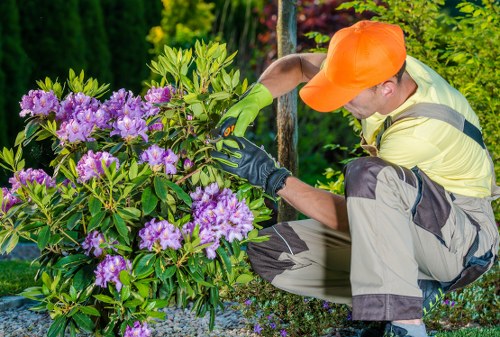
Every region has its own lawn challenges, and lawn care in Cranford is no exception. The local climate influences soil moisture, grass growth, weed pressure, and how often your lawn needs attention. Cranford’s seasonal changes mean your yard may need different care in spring than it does in late summer or fall.
One of the biggest factors is the transition between humid summers and cold winters. Heat stress can weaken grass in July and August, while freezing temperatures and snow cover can impact root health during winter. In addition, many properties in Cranford deal with a mix of sun and shade, especially in neighborhoods with mature trees. That can create uneven growth patterns that require thoughtful lawn maintenance.
Soil conditions also matter. Some areas may have dense clay soil that drains slowly, while others may have lighter soil that dries out quickly. Understanding your lawn’s texture and drainage is key to effective Cranford lawn care. If water puddles after rain or grass seems to yellow too quickly, the soil may need aeration, compost, or a change in watering habits.
The Role of Grass Type in Cranford Lawn Maintenance
Choosing the right grass type can make a major difference in lawn care in Cranford. Cool-season grasses are generally best suited for this region because they thrive in spring and fall, when temperatures are moderate. Common types include Kentucky bluegrass, perennial ryegrass, and tall fescue.
Each grass type has its strengths. Kentucky bluegrass offers a rich, classic appearance, but it needs consistent care and sunlight. Tall fescue is known for better drought tolerance and adaptability, which can be helpful in areas with changing moisture levels. Perennial ryegrass germinates quickly and is often used for repairs or overseeding.
If you are planning a new lawn or renovating an existing one, choosing a grass blend can improve durability and reduce maintenance headaches. A blended turf often handles stress better than a single variety, making it a smart option for lawn care Cranford homes need throughout the year.
Why Grass Selection Matters
- Improves drought resistance and seasonal performance
- Enhances disease tolerance
- Reduces bare patches and thinning
- Supports better curb appeal
Core Lawn Care Practices Every Cranford Homeowner Should Know

Successful lawn care in Cranford depends on a few core habits that, when done consistently, make a noticeable difference. While every yard is unique, the fundamentals remain the same: mow properly, water wisely, feed appropriately, and stay ahead of weeds and pests.
Mowing is more important than many people realize. Cutting grass too short can stress the lawn and invite weeds. A healthier approach is to follow the one-third rule: never remove more than one-third of the blade height at a time. This helps grass retain moisture and develop stronger roots. Keeping mower blades sharp is also essential because dull blades tear grass rather than cut it cleanly, leading to a ragged appearance and possible disease issues.
Watering is another area where many lawns are over- or under-treated. Deep, infrequent watering is generally better than shallow, frequent sprinkling. This encourages roots to grow deeper into the soil, making the lawn more durable during dry spells. Early morning watering is usually best because it reduces evaporation and allows grass to dry before evening, which can lower the risk of fungal problems.
Fertilization for a Stronger Lawn
Fertilizer plays a big role in Cranford lawn care, but timing matters. Fertilizing at the wrong moment can cause unnecessary growth, waste nutrients, or even damage turf. Cool-season grasses in New Jersey typically benefit from feeding in early spring, late spring, early fall, and sometimes late fall, depending on the lawn’s needs.
A balanced fertilizer should support root development, leaf growth, and overall turf color without causing excessive top growth. A soil test can help determine what nutrients are actually needed. This is especially useful if your lawn has been struggling despite regular care. Rather than guessing, a soil test gives you a more accurate plan for long-term improvement.
Organic options are also popular with homeowners who want a more natural approach to lawn care in Cranford. Compost-based amendments, slow-release nutrients, and organic fertilizers can improve soil structure over time while supporting healthy growth. No matter which approach you choose, consistency is key.
Fertilizer Timing Tips
- Apply in spring to support recovery from winter stress.
- Feed again in late spring if the lawn is actively growing.
- Use early fall applications to rebuild root strength.
- Consider a late fall feeding for winter resilience.
Seasonal Lawn Care in Cranford: What to Do All Year Long
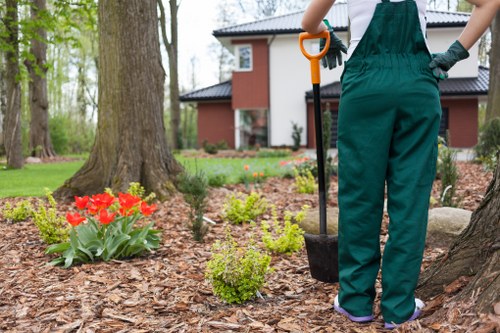
One of the best ways to improve lawn care in Cranford is to think seasonally. Each part of the year brings different challenges and opportunities. A lawn that is treated the same way in every season is often a lawn that struggles. By adjusting your routine, you can make the turf stronger and reduce the need for costly repairs later.
Spring is the season of recovery. After winter, lawns often need cleanup, light fertilization, and possibly overseeding. This is also the time to assess snow damage, bare spots, and compacted soil. Raking away debris and allowing sunlight to reach the grass can encourage steady growth. If weeds are already emerging, early control can prevent them from spreading.
Summer brings heat, weeds, and moisture stress. During this period, mowing height becomes especially important because slightly taller grass shades the soil and helps retain water. Watering deeply but less often can prevent the turf from becoming dependent on surface moisture. Summer is also a time to watch for disease, especially if humidity stays high for long periods.
Fall: The Most Important Season for Lawn Recovery
Fall is often considered the best time for major lawn care Cranford projects. The cooler temperatures and more reliable rainfall create ideal conditions for overseeding, aeration, and fertilization. If your lawn has thin areas, fall is the perfect time to repair them because grass seed has a better chance of establishing before winter arrives.
Aeration is particularly helpful in fall. By removing small plugs of soil, aeration reduces compaction and allows air, water, and nutrients to reach the root zone. This makes the lawn more receptive to overseeding and fertilization. For many Cranford properties, especially those with heavy foot traffic, aeration can be one of the most valuable maintenance services of the year.
Winter may seem like a quiet season, but it still matters. Avoid walking on frozen grass when possible, as this can cause breakage and stress. Keep leaves removed so the lawn can breathe and avoid mold buildup. Planning ahead during winter also gives you time to prepare for spring improvements and adjust your lawn care in Cranford strategy for the coming year.
Weed Control Strategies for a Cleaner, Healthier Lawn
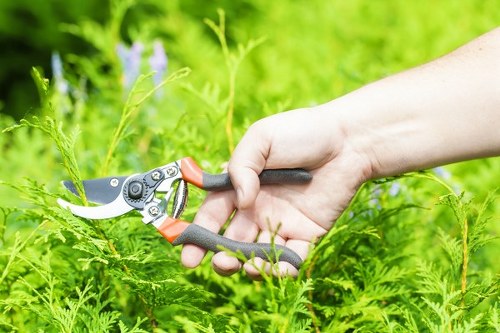
Weeds are one of the most common frustrations in lawn care in Cranford. They compete with grass for sunlight, water, and nutrients, and they can quickly make even a well-kept lawn look neglected. The best defense is a healthy lawn, because dense turf naturally blocks many weed seeds from taking hold.
Still, weeds happen. Crabgrass, dandelions, clover, chickweed, and nutsedge can all appear in Cranford yards depending on conditions. Pre-emergent treatments are useful in early spring for stopping certain annual weeds before they sprout. Post-emergent treatments, on the other hand, target weeds that are already visible. The right method depends on the type of weed and how widespread the issue has become.
Regular mowing, proper fertilization, and overseeding all help reduce weed pressure over time. If your lawn has thin spots, weeds are likely to move in. Filling those areas quickly is one of the smartest ways to improve lawn care Cranford homeowners can maintain with less effort in the long run.
Common Weed Prevention Steps
- Mow at the correct height for your grass type
- Apply pre-emergent treatment before weed germination
- Use overseeding to thicken weak areas
- Maintain healthy soil and root growth
Dealing with Lawn Diseases and Pest Problems

Sometimes the issue is not weeds but disease or pests. Fungal diseases can appear during humid or overly wet conditions, especially if the lawn is cut too short or watered late in the day. Brown patch, dollar spot, and red thread are examples of common turf diseases that can affect lawn care in Cranford.
Signs of disease may include circular patches, discolored blades, slimy turf, or a rapidly spreading area of damage. Prevention is usually more effective than treatment. Good mowing practices, proper watering, and reduced thatch buildup can all lower disease risk. In some cases, improving air circulation and sunlight exposure also helps.
Pests can also damage turf roots and blades. Grubs, for example, feed below the surface and may cause large sections of grass to lift easily like a carpet. If birds or animals are suddenly digging in your yard, that may be a sign of grub activity. Addressing pest problems early can save a lawn from extensive damage and support better Cranford lawn care outcomes.
Soil Health: The Foundation of Better Lawn Care in Cranford
Healthy soil is the foundation of strong turf. Without good soil structure, even the best mowing and watering routine will only deliver limited results. For long-term lawn care in Cranford, homeowners should pay attention to pH, compaction, organic matter, and drainage.
A soil test can reveal whether your lawn needs lime, sulfur, or additional nutrients. If the pH is too high or too low, grass may struggle to absorb what it needs. Compacted soil can also prevent oxygen and water from moving freely through the root zone. In those cases, aeration is often the most practical solution.
Adding compost or topdressing can improve soil quality over time by increasing organic matter and feeding beneficial microbes. This supports stronger roots and better moisture retention. If you want a lawn that looks good with less constant intervention, improving soil health is one of the smartest investments you can make in lawn care Cranford properties require.
Signs Your Soil May Need Attention
- Water pools on the surface after rain
- Grass feels thin or patchy despite regular maintenance
- Roots are short and weak
- Moss or weeds are taking over certain areas
Overseeding and Lawn Renovation for Thin or Damaged Areas
Even with good habits, lawns can thin out over time. Heavy use, weather stress, disease, and soil problems can all create bare or weak spots. Overseeding is a highly effective way to restore density and improve the overall look of lawn care in Cranford yards.
Overseeding means spreading new seed over existing turf to fill gaps and improve variety. It works especially well in fall, but it can also be useful in spring if conditions are favorable. For best results, mow the lawn shorter than usual, rake lightly to expose soil, and keep the seedbed evenly moist until germination begins.
When damage is more severe, a larger renovation may be needed. This might include soil amendment, aeration, seeding, or replacing heavily affected sections. A carefully planned renovation can bring new life to a lawn that has lost its density or color. For many homeowners, this is the step that turns average Cranford lawn care into truly impressive turf improvement.
Benefits of Overseeding
- Improves thickness and appearance
- Enhances resistance to weeds and disease
- Introduces stronger, newer grass varieties
- Supports better color and texture
Best Practices for Efficient Lawn Care in Cranford
Not every homeowner has the time to spend hours each week on yard work. Fortunately, efficient lawn care in Cranford is possible with the right routines and priorities. The goal is not to do more work; it is to do the right work at the right time.
Start by creating a maintenance schedule that matches the season. During active growth, mow once a week or as needed. During dry periods, adjust watering instead of watering on autopilot. Keep an eye on weeds, but do not treat every problem the same way. Some issues require patience, while others need immediate action.
Also, consider the long-term payoff of preventative care. Aeration, overseeding, soil testing, and proper fertilization may seem like extra steps, but they reduce future problems and improve the entire yard. That is why smart lawn care Cranford residents rely on often focuses on prevention rather than emergency fixes.
Simple Weekly Lawn Routine
- Inspect the lawn for weed or pest activity
- Mow at the proper height
- Check soil moisture before watering
- Remove debris and keep edges clean
Why Professional Support Can Make a Difference
While many lawn tasks can be managed by homeowners, professional help can simplify lawn care in Cranford and improve results. Experienced lawn specialists understand how local weather, soil, and turf conditions affect care decisions. They can diagnose issues faster, recommend better treatments, and create a customized plan for your property.
Professional support may be especially helpful if you are dealing with recurring weeds, disease, patchy grass, or drainage concerns. Instead of guessing, you get a more targeted approach that saves time and helps avoid costly mistakes. For busy homeowners, that can be the difference between a lawn that merely survives and one that truly thrives.
If you want a greener, more attractive yard without the stress of trial and error, lawn care in Cranford services can be a practical solution. Book your service now to take the next step toward a healthier landscape, or contact us today to discuss the best options for your property.
Final Thoughts on Lawn Care in Cranford
A beautiful lawn is built through steady attention, informed choices, and a seasonal strategy that fits local conditions. From mowing and fertilization to aeration, weed control, and overseeding, each piece of the puzzle supports better results. By focusing on soil health, grass selection, and year-round maintenance, you can create a landscape that looks better and performs better.
Lawn care in Cranford is not just about appearance. It is also about protecting your property value, improving outdoor enjoyment, and reducing frustration over time. Whether you handle the work yourself or rely on professional help, the right plan will always deliver better results than random upkeep.
Now is the perfect time to take the next step. Review your lawn’s current condition, set priorities for the season, and make a plan that supports long-term success. For a yard that stands out in every season, choose a consistent approach to Cranford lawn care and stay ahead of problems before they grow. Contact us today and book your service now to get started.

